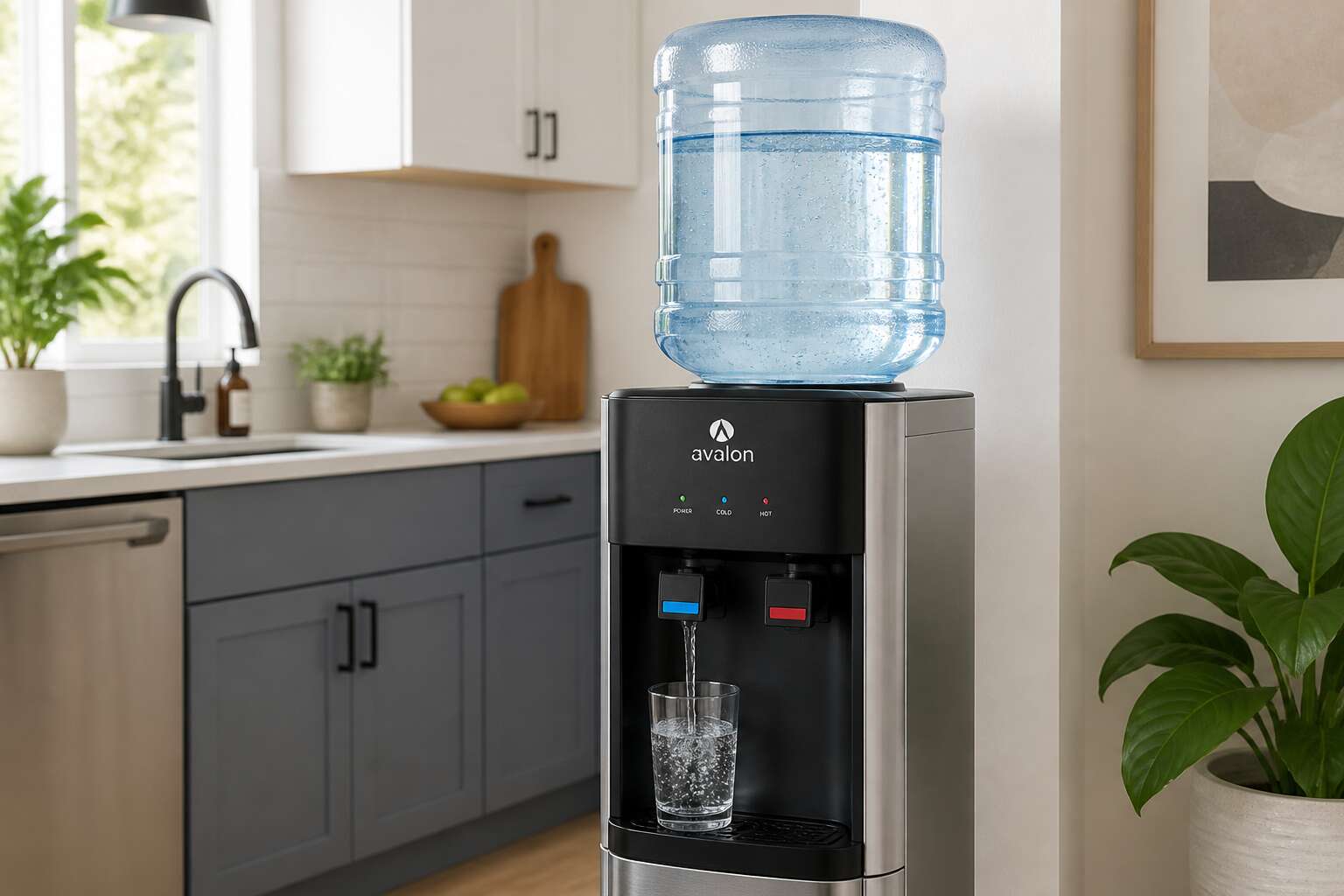
Why a 5-Gallon Water Dispenser Is a Smart Investment
Prioritizing Health and Hydration
In a country like South Africa, where municipal supply can be erratic, owning a dispenser 5 gallon water unit is a quiet act of self care. It puts clean, cold water within arm’s reach, which naturally increases your intake. The human body loses water constantly, and without a visible source, most people forget to drink enough.
What makes this investment smart is the removal of friction. You lift a jug, flip it into place, and the water flows. No boiling, no filtering pitchers taking up fridge space. The dispenser 5 gallon water model also handles hot water for tea or instant meals, reducing kitchen clutter. For households, this means children and adults both sip more often without being reminded.
- Replaces hundreds of single use bottles annually
- Provides both cold and hot water in one footprint
Hydration becomes automatic, which is exactly what your body craves.
Saving Money vs. Single-Use Bottles
Buying bottled water in South Africa adds up faster than most people realize. A single person can spend thousands of rand a year on plastic bottles. A dispenser 5 gallon water unit changes the math. One 5 gallon jug replaces roughly 38 standard 500ml bottles, so the per litre cost drops and the trips to the store stop.
For a family of four, a dispenser 5 gallon water system often pays for itself within a few months. You stop paying for plastic, packaging, and transport overhead. You pay for the water and the convenience of having it chilled or heated.
Here is what makes the financial case stronger:
– No delivery fees for small bottles
– Fewer shopping trips means less fuel spent
– Bulk water costs a fraction of single servings
Over a year, the gap between single-use bottles and a refillable 5 gallon system is substantial. The dispenser 5 gallon water unit keeps working for years, and that money stays in your pocket.
Reducing Your Environmental Footprint
Every plastic bottle that misses recycling sits in a landfill for centuries. A dispenser 5 gallon water unit removes the need for single-use containers. One refillable jug serves a household for weeks, not hours.
Think about the carbon cost of shipping small bottles. Each truck carries more water weight than necessary because of packaging. Bulk delivery cuts vehicle trips and emissions. You also skip the energy used to manufacture caps, labels, and shrink wrap.
The environmental savings stack up:
- Fewer bottles in rivers and oceans
- Less energy for production and recycling
- Reduced waste from lids and packaging
Switching to a dispenser 5 gallon water system directly shrinks your footprint. The water stays fresh, and the planet stays cleaner. That is a simple, meaningful change.
Exploring Different Types of Water Dispensers
Top-Loading vs. Bottom-Loading Models
Choosing between top-loading and bottom-loading units defines how you use a dispenser 5 gallon water. Top-loading models place the jug upside down on the machine’s neck, demanding a firm grip and steady lift. Bottom-loading systems tuck the jug inside a cabinet, using a pump to draw water upward. A top-loader occupies less floor space and costs less upfront. A bottom-loader eliminates heavy lifting and fits neatly under counters. South African families prefer the ergonomic ease of the latter. The trade-offs matter more than you might expect. Consider these differences:
- Top-loading: traditional, simple, budget friendly.
- Bottom-loading: modern, safe, slightly more expensive.
Ultimately, the right dispenser 5 gallon water depends on your home layout and comfort. Both types provide cold and hot water. The hidden reservoir in bottom-loaders requires periodic cleaning, while top-loaders expose the entire assembly. Your choice hinges on how much you value a clean appearance over straightforward mechanics.
Countertop Units for Compact Spaces
A kitchen bench in most South African flats is precious territory. Countertop units solve the space problem by sitting directly on that bench, yet they can still accommodate a dispenser 5 gallon water jug with the right adapter. Their footprint rarely exceeds a square metre, which matters when the same surface doubles as a prep area.
These units typically offer cold and hot water, though the heating tank is smaller than floor models. Some designs use a manual pump or a gravity fed reservoir. Bench height becomes a factor, because a countertop unit places the spout lower than expected. Jug clearance also varies, since neck sizes differ across brands.
Freestanding Dispensers with Hot and Cold Water
Freestanding dispensers differ from the countertop units we just covered. These floor standing machines place a dispenser 5 gallon water jug on top, raising the spouts to waist level. That position suits households where people fill kettles and pots throughout the day. The internal reservoir is larger, so the hot water tank serves several cups of boiling water without lag. The compressor based cooling system also handles high demand during warm months.
The controls on these units typically include:
- Separate switches for heating and cooling
- A hot water safety lock
- Temperature indicator lights
A dispenser 5 gallon water setup works well with freestanding models because the weight sits at a stable height. The unit footprint is compact, but the hot and cold storage capacity exceeds what countertop versions manage. The separate tanks mean hot water does not cool when someone draws cold water, and vice versa.
Key Features to Look for When Shopping
Advanced Cooling and Heating Technologies
The real test of a dispenser 5 gallon water unit lies in its daily performance, not just its advertised temperature range. Most users focus on the stream of cold water in the summer, but the machinery behind that consistent chill matters more. A high-quality compressor system cools water rapidly and maintains the temperature even during heavy usage. Cheaper thermoelectric models might suffice for light office work, but they struggle to keep up with a busy household or a popular staff room.
You should also inspect the heating element if you plan to brew tea or coffee. The heating tank must be fully sealed to prevent steam loss and mineral buildup inside the dispenser 5 gallon water system. An efficient thermostat prevents the unit from cycling on and off constantly, which wastes electricity and shortens the lifespan of the components. Before you purchase, consider these key technical specifications:
– The cooling capacity measured in liters per hour
– The wattage of the heating element for faster boil times
– The type of insulation used around the tanks
– The availability of a child safety lock on the hot water tap
The placement of the drip tray and the spigot height also affect usability, but the internal technology dictates the overall value. Look for models that feature separate compressors for the cooling system, as this allows for a more consistent temperature. Finally, check the energy efficiency rating; a unit that uses less power while maintaining performance will save you money over the long term. Quality components in a dispenser 5 gallon water machine translate to fewer repairs and a steady supply of hydration.
Child Safety Locks and Drip Trays
An unlocked hot tap on your dispenser 5 gallon water combined with a curious child makes an unsafe combination. Most parents focus on the cooling speed, yet ignore the one second that changes everything. Child safety locks vary in quality; a flimsy push and turn mechanism defeats its purpose. Look for double action locks that require two deliberate movements. The best ones operate silently, so you do not wake the baby while opening the tap.
Drip trays deserve equal scrutiny. A shallow tray with sharp corners collects grime. A deep tray with rounded edges and a removable insert makes cleaning bearable. Some models include a float indicator that signals when to empty the tray. Useful, except when the indicator breaks after three months.
Here is what separates a luxury model from a frustration:
- A lock that opens with one hand? Bad. Two hands? Better.
- A drip tray that snaps out without tilting the bottle? Excellent.
Always test the dispenser 5 gallon water before buying.
Easy-Cleaning Design and Removable Reservoirs
The real test of a dispenser is how you clean it. A removable reservoir changes everything. You lift it out, rinse it, and see every surface. Some reservoirs have narrow necks that trap moisture. Others open wide like a basin. The best designs isolate the water path from the machinery. A dispenser 5 gallon water with a removable tank allows deep cleaning without tools.
Pay attention to the material. Polycarbonate scratches easily, hiding bacteria. Look for stainless steel or BPA free plastic with a smooth finish. One thing to check is whether the reservoir stands on its own when removed.
- A wide mouth for hand access
- A drain valve at the bottom
- No hidden gaskets that collect mold
Few models get this right. The ones that do make maintenance feel effortless.
Energy-Saving Modes and Insulation
The hidden cost of any water cooler is the electricity it consumes around the clock. Insulation determines how often the compressor or heater kicks in. A dispenser 5 gallon water with thick foam walls and a sealed tank keeps cold water cold for hours without cycling. The same applies to the hot tank, where a vacuum insulated core can hold heat while using less power.
Energy-saving modes matter when you are away. Some models detect inactivity and lower the thermostat automatically. You can also look for a manual eco switch. The best options offer two temperature settings, not just a single power off.
- High density foam insulation around the reservoir
- A programmable sleep timer for nights and weekends
- An indicator light that confirms eco mode is active
These features lower your monthly bill. In South Africa, where load shedding and tariffs are realities, an efficient dispenser 5 gallon water pays for itself over time.
How to Choose the Right Dispenser for Your Home or Office
Assessing Available Space and Layout
Choosing a dispenser 5 gallon water without measuring your space results in comedic tragedy. A bulky unit will claim your kitchen counter and force the kettle onto the windowsill. I have witnessed an office where the dispenser blocked a filing cabinet for two years. The solution involves measuring before buying.
Measure the doorway, the floor area, and the height below shelves. Mark the unit’s footprint with tape and walk around it. Leave ample room for the bottle swap and the drip tray. A bottom-loading model occupies more ground, while a countertop unit preserves floor space but sacrifices prep area. Match the machine to the actual room, not the showroom.
Estimating Daily Water Consumption
Estimating daily water usage is the first step before buying a dispenser 5 gallon water. Most adults drink around two litres, but a family in Durban during summer easily consumes four litres per person. An office with twenty staff might need twenty litres just for midday refills. Do not guess; track your household or workplace for three days and measure the actual volume.
- Count regular users, not occasional visitors.
- Add one extra glass per person when temperatures climb above thirty degrees.
- Include water used for tea, coffee, and cooking, not just direct drinking.
A dispenser 5 gallon water, holding 18.9 litres, serves a family of four for about four days. A busy workshop may drain it in one shift. Knowing your daily demand tells you whether a top-loading unit with fast dispensing or a bottom-loading model with reserve capacity makes sense for your situation.
Matching Style with Existing Décor
A 5 gallon water dispenser is a permanent fixture in your daily routine, not a passing appliance. Its visual weight anchors a corner of the room, so its appearance should carry the same intention as your choice of furniture. The polished stainless steel of a commercial unit can feel cold in a home filled with wood and textiles, just as a pastel countertop model might look out of place in a boardroom.
Choose materials that echo the room’s existing palette. A black or matte finish integrates seamlessly into modern offices, while a lighter, neutral tone disappears into a domestic scullery. Consider the dispenser 5 gallon water as part of the architecture, not an afterthought.
The unit’s silhouette also influences the room’s flow. A tall, freestanding dispenser creates a vertical line that can make a low-ceilinged space feel closed in. A compact model tucked beside a pantry keeps sightlines clear. Your environment shapes your habits; when the unit feels deliberate, refills become less of a chore.
Installation, Cleaning, and Maintenance Tips
Step-by-Step Setup Guide
Nearly 70% of premature dispenser failures trace back to incorrect first placement. That statistic underscores why setup deserves attention. For a dispenser 5 gallon water model, locate it near a grounded outlet, away from sunlight and heat. Then follow these steps:
- Position the unit on a level surface to prevent pump strain.
- Wipe the reservoir rim with a food-safe sanitizer before inserting the bottle.
- Prime the system by running two cups of water through both taps.
After assembly, cleaning becomes weekly. I have found white vinegar in warm water breaks down scale without residue. Remove the drip tray and scrub every crevice. For maintenance, inspect the seals and gaskets monthly. A tight seal preserves carbonation, keeping your dispenser 5 gallon water crisp. Replace filters per manufacturer intervals and drain the tank during vacations. Routine care ensures your dispenser remains reliable.
Establishing a Cleaning Schedule
The quiet hum of a dispenser 5 gallon water unit is often the only sound of reliability in a busy home. Yet that reliable sound is predicated on a simple truth: installation is a ritual, not a chore. A careful setup prevents the shuddering pump strain that shortens a machine’s life. Place the unit on a firm, level surface, away from the sun’s glare and direct heat. Before the bottle meets the reservoir, sanitize the rim with a food-safe wipe. Then, run two cups of water through both taps to prime the lines and clear any latent dust from the factory.
Cleaning this stalwart appliance is a weekly affair, a small price for such consistency. I find that white vinegar, diluted in warm water, dissolves the stubborn calcium scale without leaving a chemical ghost. This liquid cure works wonders on the drip tray and the crevices where time and grime gather. For a routine rhythm, consider this simple schedule to keep your dispenser 5 gallon water working faithfully:
– Wipe down the exterior and taps every few days.
– Scrub the drip tray and reservoir weekly.
– Inspect all seals and gaskets monthly.
Maintenance is about foresight, not reaction. A tight seal is the guardian of crisp, cold water, preserving the quality of every pour. Remember to drain the tank completely before a long holiday to prevent stagnation. Replacing the filter at the manufacturer’s interval is non-negotiable for taste. The choreography of care, from the first clean to the monthly inspection, transforms a simple appliance into a lasting fixture of daily comfort, particularly important in South Africa’s varied climate. A well-tended unit is an unspoken promise of health, ready for the next glass.
Troubleshooting Common Issues and Leaks
A dispenser 5 gallon water most often fails from a misaligned bottle or a compromised seal. When water pools around the base, inspect the bottle’s neck for hairline cracks. Then clean the rubber gasket inside the reservoir. A speck of grit breaks the seal, so wipe that flange with a cloth each time you change the bottle.
Slow dispensing points to a clogged air vent or a stuck float. Check these in order:
- Confirm the cap punctured fully.
- Free the float with a gentle tap.
- Straighten any kinked tubing.
A persistent leak usually comes from overtightened taps. Hand tight suffices. For the drip tray, a weekly vinegar soak dissolves residue and prevents the algae film that causes mold odors. Regular maintenance of these small parts keeps the unit functional longer than any factory promise.




0 Comments