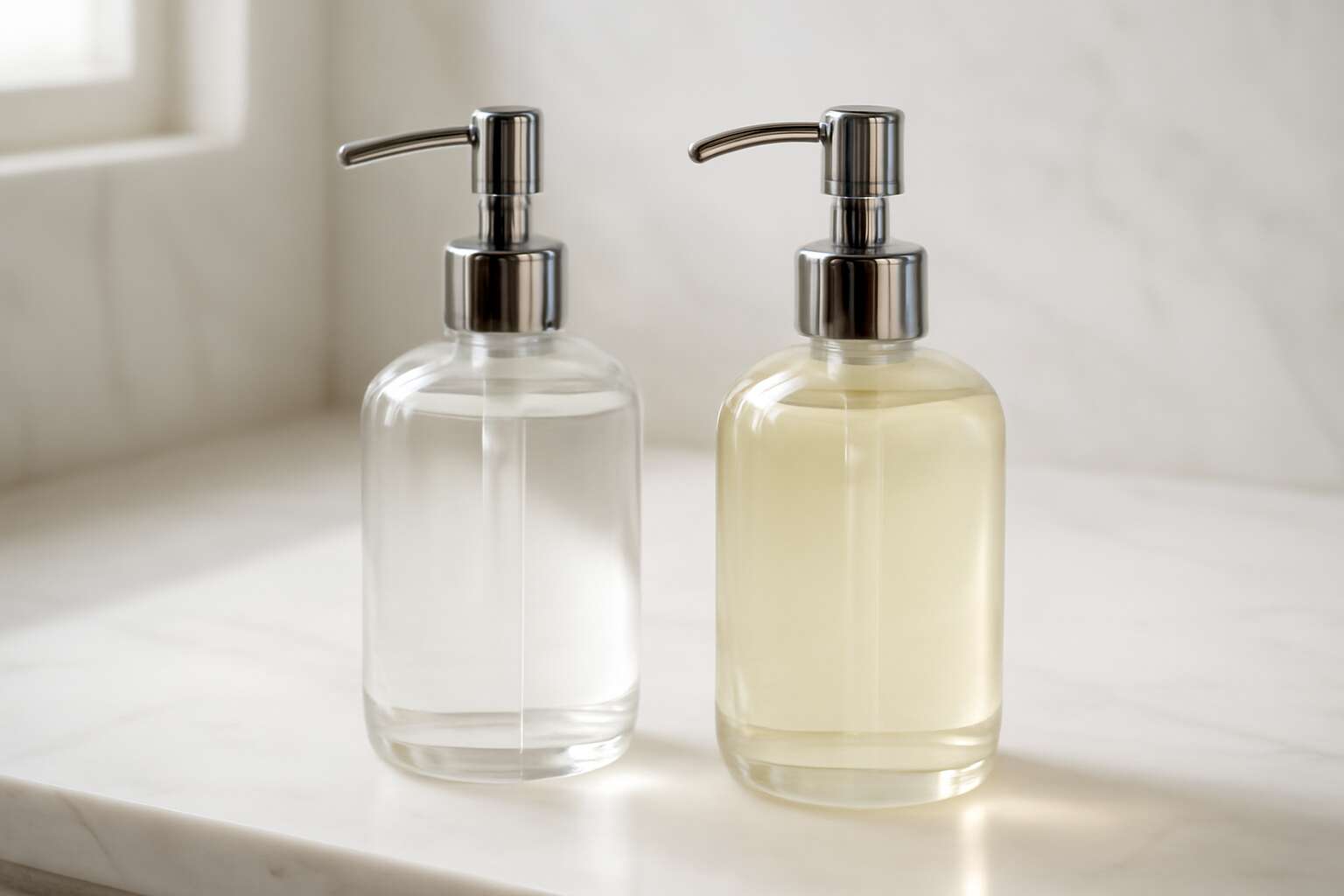
Overview of Dispensing Solutions for Hand Soaps and Shampoos
What is a dispensing system for soaps and shampoos and how it works
In a country where first impressions linger longer than a scent, cleanliness speaks louder than words. A recent industry survey found that 72% of guests notice restroom hygiene within seconds, a truth that guards every sink and stall. The soap and shampoo dispenser becomes more than a container—it is a quiet sentinel guarding order and elegance in South Africa’s hotels, clinics, and homes.
What is a dispensing system for soaps and shampoos and how it works? It is a compact mechanism that draws from a reservoir, delivers a controlled amount with each actuation, and seals the cycle with minimal contact. Sensor-activated or pump-driven, these systems reduce waste and improve hygiene, turning ordinary washrooms into sanctuaries of consistency.
Common configurations include:
- Sensor-activated soap and shampoo dispenser units that minimize touch.
- Manual-pump or lever-action designs for robust South African hospitality environments.
- Metred-dose or gravity-fed systems that keep supply costs predictable.
Key benefits for households and businesses
In South Africa, 72% of guests notice restroom hygiene within seconds, a reminder that cleanliness speaks louder than words. The soap and shampoo dispenser is more than a container; it’s a quiet sentinel, guarding order in hotels, clinics, and homes.
Dispensing solutions for hand soaps and shampoos cover a spectrum from sensor-activated units to manual pumps and metered-dose systems. They deliver consistent pours, cut waste, and keep surfaces drier and safer.
- Enhanced hygiene with reduced contact
- Waste and cost control through precise dosing
- Maintenance efficiency and reliability
- Attractive, vandal-resistant designs for SA environments
The right soap and shampoo dispenser aligns with space, traffic, and aesthetics. Properly chosen systems support daily routines, from high-traffic hospitality to family bathrooms, keeping washrooms dependable.
Common materials and finishes used in dispensers
In the choreography of a pristine washroom, the soap and shampoo dispenser stands as a quiet sentinel, shaping hygiene without shouting. The materials and finishes chosen echo a space’s character, from the hotel lobby to a home bathroom, balancing durability with understated elegance.
Common materials and finishes used in dispensers include:
- ABS plastic with UV-stable, scratch-resistant coatings
- AISI 304 stainless steel with brushed or satin finishes
- Powder-coated aluminum for vandal resistance and weather durability
- Clear or translucent reservoirs made from Tritan or polycarbonate for visibility
- Durable polypropylene (PP) or ABS for cost-effective, everyday use
In high-traffic SA environments, these materials hold up to frequent cleaning while keeping the look refined and hygienic, a testament to thoughtful engineering in the dispenser realm.
Placement and installation best practices for hygiene
In South Africa’s busiest washrooms, a sink is more than a sink—it’s a stage for hygiene. A well-placed soap and shampoo dispenser can streamline flow, cut cross-contamination, and set a quiet standard that guests notice even before they speak. The right unit works like clockwork, a silent sentinel that never begs for attention—and you feel its precision.
Placement and installation should balance accessibility with sanitary safeguards. Mounting height around 900–1100 mm from the floor covers staff and guests, while careful zoning minimizes splash and contact in wet areas.
- Accessibility and reach guide mounting height and orientation.
- Low-contact or sensor options reduce hand contamination and simplify cleaning.
- Clear reservoirs and robust finishes support quick stock checks and hygienic maintenance.
When designed with these considerations, a modern dispenser quietly anchors the washroom’s hygiene choreography, a dependable ally in high-traffic environments across SA.
Types and Configurations of Dispensing Systems
Manual pump vs touchless dispensing
Across South Africa’s bustling kitchens and loos, a striking stat anchors the shift: touchless soap and shampoo dispenser systems can cut surface contact by up to 70%. Manual pumps still deliver reliability, but configurations matter.
Manual pump models excel where simplicity and low maintenance are prized, especially in spaces with limited power access. For a compact soap and shampoo dispenser, push-to-dispense action minimizes waste and keeps staff moving.
- Manual pump: push-to-dispense, straightforward upkeep
- Touchless: infrared or capacitive sensors, battery or mains-powered
- Formats: gel, foam, or liquid, depending on product and finish
Touchless configurations emphasize hygiene and modern aesthetics, perfect for high-traffic areas. They require reliable power and robust seals to withstand humidity and frequent use in South Africa’s climates.
Ultimately, the best choice balances space, user flow, and maintenance cadence, offering distinct advantages for households and businesses alike.
Dual-chamber and combined soap/shampoo units
In South Africa’s bustling facilities, a new rhythm takes hold—dual-chamber and combined units that trim downtime and refills by about 32%. The soap and shampoo dispenser becomes more than hardware; it’s a quiet conductor of flow, guiding staff through tasks with fewer interruptions.
Dual-chamber units house two products in one sleek shell, perfect for alternating gels or different strengths. In my experience, they reduce refills and cross-contamination. Features to look for include independent dosing, robust seals, and easy refilling.
- Two independent chambers for separate products
- Independent dosing to prevent cross-contamination
- Low-maintenance seals and simple refills
Combined soap/shampoo units offer a single output for bathrooms and hospitality spaces, simplifying fixtures while preserving hygiene. Durable seals and smart internal routing keep this soap and shampoo dispenser dependable in busy South African environments.
Space-saving countertop, wall-mounted, and freestanding options
In South Africa’s busy sink corridors, space is a luxury and efficiency is king. Types and configurations of dispensing systems sculpt a flow that feels almost orchestral, guiding hands with quiet precision. A well chosen soap and shampoo dispenser does more than dispense; it choreographs the morning ritual and trims downtime with grace.
- Countertop space-saving units: compact footprint, easy repositioning for changing layouts.
- Wall-mounted units: frees valuable counter space and simplifies cleaning near sinks.
- Freestanding floor units: versatile, scalable in large facilities and hospitality settings.
Durability, finishes, and smart routing keep these systems dependable in South Africa’s busy facilities. From corporate lounges to boutique hotels, the configurations blend with hygiene goals and design, offering a poised presence that doesn’t shout, but communicates care.
Cartridge-based vs refillable designs
In South Africa’s bustling facilities, a single well-timed minute saved per shift adds up to hours reclaimed! When choosing a soap and shampoo dispenser, you’ll encounter two core configurations: cartridge-based designs that snap tidy, sealed cartridges into a unit, and refillable systems that drink from bulk reservoirs. Each path has its own rhythm for a morning routine, and both can stay quietly reliable in shared spaces.
- Cartridge-based soap and shampoo dispenser: clean, hygienic swaps; reduced cross-contamination; quick maintenance.
- Refillable designs: bulk reservoirs; lower waste; scalable for larger facilities and fleets.
Durability and finishes matter in South Africa’s active settings. Look for corrosion-resistant housings, finishes that hide fingerprints, and seals built to withstand frequent cleaning. Sensor-compatible, tamper-resistant models help maintain hygiene goals without interrupting flow, while reliable supply chains keep downtime to a minimum and care at the faucet enduring.
Design and Materials Considerations
Materials such as plastic, stainless steel, glass, and ceramic
Momentum hides in plain sight: a well-chosen design can slash waste and elevate daily rituals. In busy bathrooms, a soap and shampoo dispenser can cut waste by up to 30% while still looking fresh after years of use. Material choices shape look, grip, and durability.
- Plastic: affordable, versatile silhouettes
- Stainless steel: durability with premium appeal
- Glass: clarity and luxury
- Ceramic: warm touch and color permanence
Each finish has its weather. Matte plastic resists scuffs; stainless steel cleans easily; glass and ceramic demand mindful placement to avoid fingerprints and chips. For South African spaces, pairing the soap and shampoo dispenser with tiles and lighting helps it feel like a natural, almost supernatural, extension of everyday routines.
Finish, color, and style matching with decor
Finish, color, and style aren’t afterthoughts; they’re the fabric of daily rituals. Your choice should balance grip and durability—matte plastics resist scuffs in busy bathrooms, while brushed stainless evokes a premium feel. The endgame? A dispenser that feels designed, not decorative, and that harmonizes with tile, lighting, and your personal vibe.
- Matte plastic: scuff resistant, budget-friendly
- Satin stainless steel: durable, easy to wipe
- Clear glass: adds brightness and clarity
- Glazed ceramic: warm tones, color permanence
In South Africa, pairing the soap and shampoo dispenser with tiles and warm lighting helps it feel like a natural extension of everyday routines.
Durability in wet environments and slip resistance
Durability in a wet environment isn’t optional—it’s existential in a bathroom that never dries. A soap and shampoo dispenser must withstand humidity, splashes, and mineral buildup without failing mid-use. Seek sealed pumps and cartridges built for regular refills. When these elements align, the unit feels like part of the room!
- Textured grip to maintain control with slippery hands
- Slip-resistant base or discreet wall-mount to keep the unit upright
- Sealed, drip-free nozzle and water-tight cartridge to minimize leaks
In South Africa, pairing tiles and warm lighting makes the soap and shampoo dispenser feel like a natural extension of daily routines. That sense of permanence comes from how the design negotiates wetness and slip—quiet, practical decisions that endure amid changing decor.
Tamper-resistance and child-safety features
In South Africa, a well-made soap and shampoo dispenser can feel like a trusted part of daily ritual—designed to be gentle with little hands and hard to trip over! “Design is hospitality you can touch,” a local designer once said, and that sentiment shows in how tamper-resistance and child-safety features are woven into the unit. Materials are chosen for smooth edges, sturdy latches, and leak-free cartridges that stand up to everyday use.
Key considerations include:
- Lockable caps and tamper-evident seals to keep contents secure!
- Rounded corners and non-slip bases for safer homes with kids
- Transparent or clearly marked reservoirs to monitor refills without guessing
In homes across the country, the right design and materials make it feel like a permanent fixture, not an afterthought.
Hygienic design and easy cleaning routines
Design that stays clean is design that respects daily rituals. A well-made soap and shampoo dispenser earns quiet trust through non-porous finishes, gentle curves, and a profile that defies soap film. In South Africa’s humid bathrooms, the right unit feels inviting and easy to wipe, with corners rounded to shed grime and a reservoir that stays legible at a glance.
- Non-porous, easy-wipe surfaces that resist soap scum and mineral deposits
- Rounded edges and refined seams to prevent buildup
- Transparent or clearly marked reservoirs for quick status checks
Materials matter as much as silhouette: stainless steel, durable plastics, or glazed ceramics offer resilience in damp environments while remaining tactile and inviting. Finishes that balance gloss with grip enhance daily use, turning routine cleaning into a moment of simple care rather than chore in a busy home.
Maintenance, Refilling, and Troubleshooting
Refill tips to minimize spills and waste
In the quiet choreography of daily rituals, a well-tended soap and shampoo dispenser keeps spaces inviting. A single drip in a busy South African home echoes into waste, so routine maintenance preserves hygiene and fluidity.
Refilling should be deliberate, not hurried. Measure, avoid overfill, and keep the nozzle clean to prevent drips.
After refilling, test the flow; a neat finish saves waste and keeps guests comfortable.
Troubleshooting: if flow is uneven, consider seals, venting, and the nozzle for mineral deposits, and ensure the unit sits dry and level. A tidy dispenser remains a quiet testament to hospitality.
Troubleshooting common pump and sensor issues
In busy South African kitchens and bathrooms, maintenance is the quiet guardian of hygiene—never loud, always precise. A well-tended soap and shampoo dispenser reduces spills, preserves hygiene, and keeps guests feeling considered.
Refilling should be deliberate, not rushed. Measure the fill, avoid overfill, and keep the nozzle clean to prevent drips.
- Wipe with a damp cloth and dry thoroughly
- Inspect seals and mounting for wear or leaks
- Keep the area dry to prevent mould and build‑up
Troubleshooting common pump and sensor issues: if flow is uneven or unresponsive, check seals, venting, nozzle for mineral deposits, and make sure the unit sits dry and level.
- Uneven flow may signal worn seals or venting issues
- Sensor grime or misalignment can slow response
- Nozzle mineral deposits can impede discharge
- Dry, level placement supports consistent dispensing
Cleaning routines to prevent mold and residue
In bustling South African kitchens and bathrooms, hygiene hinges on quiet routines. “Hygiene isn’t dramatic—it’s daily discipline,” a facilities manager once said. The soap and shampoo dispenser acts as a silent sentinel, shaping guest impressions more than flashier fixtures.
Maintenance keeps the system precise—fewer spills, fewer clogs, and fewer mid-service surprises. A well-tended unit supports consistent dispensing and reduces damp corners that harbour mould.
Deliberate refilling—calm, measured fills and careful alignment—sustains hygiene in high-traffic spaces and helps the unit withstand constant use.
Cleaning routines to prevent mold and residue are built-in habits: regular dryness checks, light surface wipes, and a gentle review of mounting integrity keep the environment orderly. This steady upkeep helps the soap and shampoo dispenser stay reliable and presentable.
Replacement parts, warranties, and support
Maintenance on a soap and shampoo dispenser is quiet discipline that keeps flow steady and leaks at bay. Regular checks of seals, nozzles, mounting screws, and the dispensing head prevent mid-service drama and restore trust in high-traffic spaces. In the end, small acts of care map the ethics of hospitality!
Refilling is a ritual—calm, precise, and aligned with the unit’s design. Formulation choices matter; consistency in fill levels protects performance. A tidy work area prevents slips as you top up.
- Design compatibility with refillable vs cartridge-based designs.
- Cleanliness of the refilling area to protect hygiene.
- Clear indicators of when a refill is due, preserving performance.
Troubleshooting replacement parts, warranties, and support is pragmatic and humane. If a component fails, identify the part: seals, plungers, sensors, or cartridges. Reputable suppliers offer replacement parts, on-site service, and regional warranties tailored to SA environments.
- Replacement parts availability across SA cities.
- Warranty terms and coverage for domestic and commercial settings.
- Support channels including phone, email, and regional service partners.
Labeling guidelines and product compatibility
Labels aren’t decoration. In SA restrooms, 68% of audits flag unclear labeling as the culprit behind mis-pours. A well-titled soap and shampoo dispenser signals care, speeds service, and keeps staff sane.
Labeling guidelines matter. Use waterproof, fade-resistant labels that show contents, batch, and last refill date. Color-code by design type to prevent mix-ups, and include a simple maintenance contact.
- Waterproof, fade-resistant labels
- Contents, batch, last refill date
- Color-code by cartridge vs refillable
- Maintenance contact and model reference
Product compatibility drives performance. A cartridge system may clash with bulk refills; materials must tolerate the formulation. That means selecting a soap and shampoo dispenser that fits both refill ecosystem and labeling.
- Confirm design compatibility
- Check pump/seal material for the product
- Review warranty for the chosen setup
Buying Guide and Use-Cases
How to choose capacity and dispensing rate for different settings
In high-traffic restrooms, every squeeze counts. A mismatched capacity or slow dispensing invites waste and spillages. The Buying Guide for a soap and shampoo dispenser reads like a forecast—balancing reservoir size with how quickly guests access product. Predicting daily flow reveals the rhythms of a busy facility in South Africa!
- Home/Family: 350–500 ml; ~1–1.5 ml per pump
- Small office/guest property: 500–800 ml; ~1.5–2 ml per dispense
- Hotels/hospitality: 750–1000 ml; ~2 ml per dispense
Use-cases show capacity and rate must match occupancy and turnover. For sudden surges, choose a larger reservoir or adjustable flow to cut refills. The right balance preserves product, reduces maintenance, and supports hygiene in busy spaces—because every sink deserves a pristine, efficient partner: the soap and shampoo dispenser.
Best practices for homes, hotels, spas, and gyms
In South Africa’s busiest spaces, a well-tuned soap and shampoo dispenser is more than hardware—it’s a pledge to guest comfort. The buying guide reads like a forecast, balancing reservoir size with how quickly guests access product. When the mechanism is right, sinks stay pristine and turnover remains steady, even during peak hours.
Use-cases reveal a simple truth: capacity and flow must align with occupancy. For homes, compact models deliver steady service; for hotels and spas, dependable turnover matters; for gyms, rugged resilience rules.
- Homes: discreet, easy-to-refill options that stay tidy
- Hotels and hospitality: durable finishes and precise dispensing
- Spas: elegant, high-capacity units with smooth action
- Gyms: robust, low-maintenance designs for high traffic
Best-practice rhythms emphasize choice: select flow that scales for surges, prioritize hygienic design, and consider wall-mounted or freestanding forms to suit space and style.
Cost of ownership, refills, and maintenance
In South Africa’s busiest wash zones, a well-chosen soap and shampoo dispenser is more than hardware—it’s a pledge to efficiency. Operators report up to a 30% reduction in product waste when dispensing cycles align with turnover.
Buying decisions hinge on cost of ownership, refills, and maintenance. A compact model may save front-end spend at home, while high-capacity units cut refill frequency in hotels, spas, and gyms. The soap and shampoo dispenser should balance upfront price with ongoing refills and hygienic upkeep.
- Reservoir size and refill interval
- Designs that minimize spills—cartridge-based vs refillable
- Hygienic maintenance routines to curb mold and residue
Maintenance pays off with pristine sinks and reliable turnover—cleanliness matters. In homes, discreet finishes suit decor; in hotels and spas, durable materials withstand daily traffic; in gyms, rugged construction endures moisture and heavy use.
Eco-friendly and refillable options and programs
In South Africa’s busiest wash zones, a soap and shampoo dispenser is more than hardware—it’s an economy of motion and a whisper of elegance. A hotelier once quipped, “Less waste, more welcome,” and today’s eco-minded models confirm the truth with refined, refillable designs. This buying guide highlights how eco-friendly options and programs keep turnover clean and costs contained.
- refillable designs cut packaging waste
- modular components simplify cleaning and maintenance
- local refill programs and take-back schemes
For homes, hotels, spas, and gyms, the right unit harmonizes décor, durability, and hygiene—supporting dependable turnover without sacrificing style.
What to look for in reputable brands and suppliers
In South Africa’s busiest wash zones, a soap and shampoo dispenser is more than hardware—it embodies efficiency in motion and refined elegance. A hotelier’s line—“Less waste, more welcome”—rings true with today’s refillable, eco-conscious models.
What to look for in reputable brands and suppliers? Seek solid warranties, accessible spare parts, and a local service network. Favor units that balance cartridge-based and refillable options, hygienic design, tamper resistance, and clear compatibility labeling.
- Local stock and responsive after-sales service
- Hygienic, easy-to-clean surfaces
- Warranty coverage and replacement parts availability
Use-cases across homes, hotels, spas, and gyms reveal that the right dispenser elevates décor while supporting dependable turnover. Capacity and dispensing rate should align with footfall; modular components simplify maintenance, and space-saving options fit diverse interiors.

0 Comments