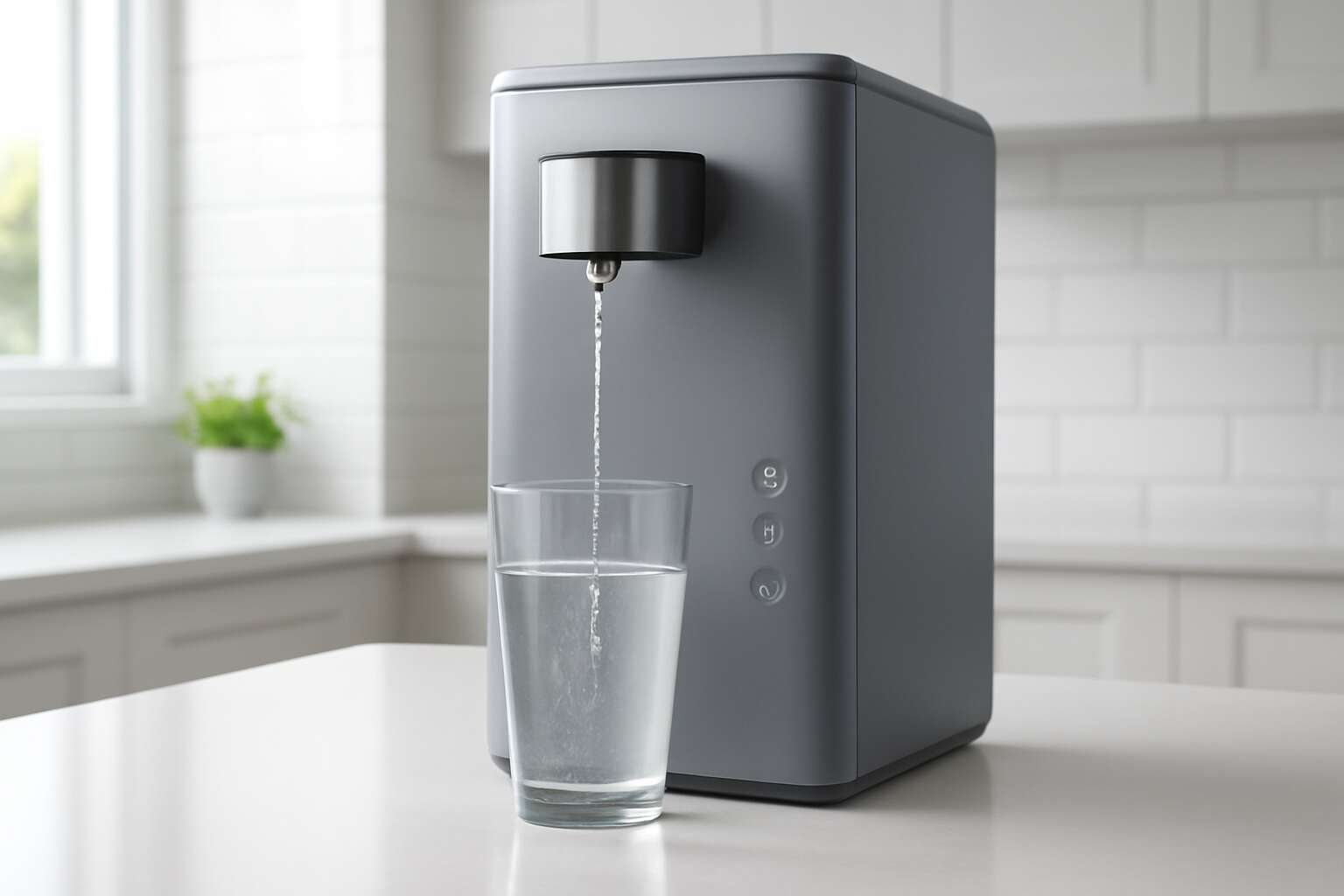
Water Dispenser Cleanliness: Why It Matters for Health and Safety
Understanding How Contaminants Enter Dispensers
A brisk truth slides into the room with every ice-cold glass: are water dispensers clean? That question isn’t a pedantic debate; it’s about safeguarding health with every sip. In a world where hidden microbes cling to spouts and reservoirs, trust hinges on clean design and responsible upkeep.
- Biofilm and micro-organisms thriving in reservoirs and tubing
- Seals and caps that trap moisture and create damp corners
- Dust, mould spores, and residual water in drip trays and lines
In South Africa, water quality varies by region, and climate can influence what grows inside the machine. The recurring question, ‘are water dispensers clean’, resonates with office managers and households alike, underscoring broader health and safety expectations.
Impact of Hygiene on Water Taste and Safety
A single glass can tell the truth: are water dispensers clean? In South Africa’s climate, moisture lingers in crevices, inviting invisible guests to linger in reservoirs and tubing. Clean design isn’t cosmetic; it’s a shield against health risks that wear down confidence with every sip.
The taste of water often betrays hygiene lapses—mustiness, metallic tang, or a faint disinfectant note can creep in when cleanliness slips. When dispensers stay dry and bacteria-free, taste remains crisp and trusted. The question, are water dispensers clean, mirrors a broader commitment to safety in homes and offices alike.
- Residue-free spouts and lids
- Dry drip trays and tubing
- Odour-free reservoirs
Key Hygiene Metrics to Track Over Time
In the South African heat, every glass can feel like a verdict on hygiene. Many ask, are water dispensers clean, and the answer isn’t a showroom shine but a quiet habit of upkeep. Cleanliness acts as a health shield, a daily discipline that keeps confidence intact in homes and offices alike as moisture and warmth invite unseen guests to lurk in reservoirs and tubing. I’ve learned a well-kept dispenser speaks before the water does—clarity in design, clarity in practice.
Key hygiene metrics to track over time include:
- Microbial counts in reservoirs and tubing
- Residue on spouts and lids
- Odour and taste stability
- Dryness of drip trays and internal pathways
These signals weave through daily routines, shaping how we perceive safety in every sip. When they stay steady, trust travels with the water.
Common Misconceptions About Dispenser Cleanliness
Water dispensers sit at the crossroads of convenience and vigilance, especially under South Africa’s sun. “Clean water is a right, not a luxury,” a colleague once reminded me. But are water dispensers clean? The question presses on daily life—a moral prompt I treat as a health practice. Cleanliness acts as a quiet shield, translating meticulous design into trust in homes and offices where warmth invites unseen guests to lurk in reservoirs and tubing.
Common misconceptions about dispenser cleanliness linger, muddying the water of safety. A quick wipe and showroom shine are not the same as ongoing maintenance. Consider these myths to unlearn:
- Shine means safety: visibility is not the full measure.
- Cleaning removes all bacteria instantly and forever.
- Contamination only comes from outside the bottle or bottle-neck.
The reality is steady, deliberate care—an unseen discipline that keeps every sip trustworthy.
When Cleanliness Impacts Compliance and Warranties
Every sip is a vote for trust. In South Africa’s heat, clean water isn’t a luxury—it’s a basic obligation that keeps teams productive. Cleanliness is not a cosmetic concern but a daily discipline that translates into safety, reliability, and peace of mind.
So, are water dispensers clean? The answer matters because cleanliness touches health, compliance, and manufacturer warranties. When components move from bottle to reservoir, unseen life forms and residues become an audit trail of care. Warranties hinge on maintenance expectations, and lapses can cost time and money.
In practice, it becomes a shared contract between care and glassware; a quiet vow to protect the body and the team. Cleanliness is a language of responsibility—one that speaks louder than convenience in crowded offices and silent laboratories alike.
Dispenser Types and Cleaning Requirements
Countertop vs. Freestanding: Cleaning Implications
Dispenser types shape cleaning needs as surely as water shapes expectations. A sharp question for busy spaces: are water dispensers clean? A clean unit reduces odours and taste drift and keeps staff confident at the tap. Clean design matters!
Countertop models fit tight corners; freestanding units command more room and easier access to hoses and internal components. Cleaning implications shift with height and reach. Countertop units reward quick wipe-downs, while freestanding units allow easier inspection of seals and drip trays.
Consider these points by type:
- Countertop models: compact footprint; easier wipe-downs; limited internal access.
- Freestanding models: more room for inspection; needs space planning.
- Both: benefit from periodic professional checks to sustain cleanliness.
Space, service access, and hygienic features decide the winner. The question remains: are water dispensers clean? The goal remains reliable hydration for teams and guests across South Africa.
Bottle-Volume vs Bottle-Less Systems: Maintenance Needs
Shadows pool in the office corridor as the cooler murmurs at the counter. The question lingers: are water dispensers clean? In the realm of bottle-volume versus bottle-less systems, maintenance whispers through the ducts of a busy space, shaping how teams trust every glass they lift. The right type invites a calm vigilance; the left invites inspection without fear.
Dispenser types and cleaning requirements—Bottle-volume vs bottle-less systems, maintenance needs.
- Bottle-Volume: larger reservoir, more surfaces to monitor
- Bottle-Less: sealed interior, fewer exposure points
- Balance: design and service access influence hygiene rhythm
Even a modest unit can cast a long shadow on taste and confidence; the choice of system shapes the ongoing watch over cleanliness in South African workplaces.
Materials and Design: How They Influence Cleanability
In a South African office, the hum of a water cooler isn’t just background noise—it’s a barometer of hygiene. The question: are water dispensers clean, echoes through corridors as teams measure touchpoints, flow, and trust. When a unit feels engineered for easy cleaning, glass after glass becomes less fraught, and that quiet confidence travels from the bottle to the boardroom.
Materials and interior design dictate how cleanability translates into real life. Dispenser types and cleaning requirements influence these design choices. Smooth, non-porous interiors, crisp gasket finishes, and accessible service points aren’t decorative; they reduce hiding spots and speed routine sanitation.
- Seamless, join-free surfaces
- Wide, unobstructed cleaning paths
- Durable, easy-to-sanitize materials
In South Africa’s busy workplaces, design choices matter as much as chemistry, shaping daily trust in every drop.
Filtration and Its Role in Cleanliness
In a bustling South African office, the question of are water dispensers clean travels through corridors like a whispered verdict. Dispenser types and their cleaning requirements shape how this truth lands in daily practice, with bottleless and bottle-in designs each demanding different touchpoints.
- Bottleless systems with integrated filtration and smooth, easy-to-sanitize interiors
- Bottle-in or top-loading units that simplify bottle changes but require attention to dispensing taps
- Countertop or freestanding models that expose serviceable seams for routine checks
Filtration and Its Role in Cleanliness weave through the story, catching sediments and reducing biofilm formation, thus influencing whether are water dispensers clean after long shifts and weekend pauses. The right filtration works with robust, seamless surfaces to keep trust intact across South Africa’s busy offices.
Manufacturer Guidelines vs Real-World Practices
In SA offices, the verdict on are water dispensers clean lands with a quiet ripple of confidence or concern. Cleanliness translates into taste, trust, and uptime, and the gulf between manufacturer guidelines and real-world practices often shows up at taps.
Dispenser types guide cleaning rituals. Here are the archetypes and how they’re tended in everyday use, and I’ve watched teams tailor them to space and workflow.
- Bottleless systems with integrated filtration and seamless interiors that are easy to sanitize
- Bottle-in or top-loading units that simplify bottle changes but require attention to dispensing taps
- Countertop or freestanding models that expose serviceable seams for routine checks
Manufacturers lay out best practices, yet maintenance crews across South Africa adapt based on space, workflow, and budget. The outcome speaks to whether are water dispensers clean remains a daily, tangible certainty.
Cleaning Steps: Routine Routines for Different Surfaces
Daily Quick Clean for Everyday Use
In a recent South African consumer survey, 62% of respondents linked taste changes to neglected upkeep. Are water dispensers clean? The answer isn’t a sign on a label; it’s a habit you train, a quiet rhythm that keeps the water honest. No mystique—just routine! This is exactly why many ask are water dispensers clean.
Cleaning Steps: Routine Routines for Different Surfaces reminds us that each surface—exterior stainless, plastic spouts, and the drip tray—deserves its own rhythm, not a single hack. Daily Quick Clean for Everyday Use emphasizes a steady cadence that keeps flavors intact and odors at bay.
When the cadence is steady, the worry recedes. The practical truth lands: are water dispensers clean? Yes, when care is consistent.
Weekly Deep Clean for Plastic and Stainless Surfaces
Cleaning Steps: Routine Routines for Different Surfaces opens a doorway to quiet maintenance that respects flavor. In a world where taps hum and water speaks, the exterior stainless, plastic spouts, and the drip tray each ask for its own rhythm. Weekly Deep Clean for Plastic and Stainless Surfaces frames care not as a sprint but as a ceremonial cadence you slip into between tasks.
are water dispensers clean is a question that becomes a habit when care is woven into daily life. For South African kitchens, this cadence keeps tastes true and odors at bay without drama, allowing the machine to aged gracefully. The surfaces reveal their personalities, and the rhythm that fits each one prevents stagnation, ensuring the water’s character remains honest and bright.
Descaling for Mineral Deposits and Hard Water
In South African kitchens, a quiet ritual keeps every sip honest. I’ve watched this routine become a quiet act of care in busy kitchens. Cleaning steps differentiate surfaces, turning maintenance into a mindful routine. Exterior stainless asks for a quick wipe and a satin finish; plastic spouts invite gentler cleaners that lift residue without scratching; the drip tray rewards a careful rinse and thorough dry.
For practical clarity, consider these surface-specific notes:
- Plastic surfaces tolerate mild cleaners that lift film without scratching.
- Stainless steel shines with a damp microfiber—polish and dry to prevent spots.
- Drip trays benefit from a rinse and air-dry to keep odours away.
Descaling for mineral deposits and hard water helps restore flow and taste. Use manufacturer guidelines and gentle descalers, avoiding harsh scrubbers. That question—are water dispensers clean—transforms into steady habit when daily care is woven into life here in SA.
Sanitizing Solutions: Safe Options and Best Practices
In SA kitchens, the ritual of clean water is a quiet, almost spectral discipline. “are water dispensers clean” lingers in the shadows, guiding you toward care.
Cleaning steps adapt to surfaces, while sanitizing solutions remain safe and simple. Choose manufacturer-approved products and test on a hidden edge to avoid surprises.
- Plastic surfaces: opt for mild, non-abrasive cleaners and soft cloths to lift film without scratching.
- Stainless steel: damp microfiber followed by a quick buff to a satin shine that resists spots.
- Drip trays: a thorough rinse and a complete air-dry to keep odours at bay.
With daily and weekly routines, the question becomes a quiet certainty—cleanliness that sustains taste, safety, and confidence in every South African sip.
Rinsing, Drying, and Storing Properly
Cleaning steps form the quiet backbone of daily refreshment. Surfaces demand different care: plastic is forgiving yet prone to film, stainless steel responds to a damp microfiber and a swift buff. Routine rituals empower taste and peace of mind in every pour.
Rinsing begins the choreography: a gentle warm-water pass with an approved cleaner loosens residue. Microfiber dries follow, leaving no streaks and no damp corners. For storage, the unit rests upright in a clean space and air-drying accompanies reassembly.
That quiet inquiry—are water dispensers clean—returns as a touchstone, reminding us that care can be elegant and exact.
Safety, Hygiene, and Best Practices
Regular Water Quality Testing and Indicators
Safety in South African kitchens and offices hinges on more than great taste. This question—are water dispensers clean—drives safety measures, because unseen residues can hide in corners and on seals. Strong design, secure housings, and careful handling act as the first line of defense against contamination.
Hygiene is a living practice, not a one-off sweep. Regular water quality testing and indicators guide ongoing vigilance. Look for:
- Clear, odor-free water with reliable taste
- Stable pH and mineral balance
- Clean dispensers with minimal mineral buildup
Best Practices arise from thoughtful design and governance. In SA, trusted suppliers, sealed systems, and durable materials reduce risk and support long-term cleanliness. The interplay between safety, hygiene, and testing defines the hydration ecosystem.
Filter and Part Replacement Schedules
In South Africa, the question ‘are water dispensers clean’ shapes every risk assessment. Safety hinges on more than great taste; unseen residues conceal themselves in corners and on seals. A well-designed unit with secure housings acts as the first line of defense against contamination.
Hygiene is a living practice that travels from daily touchpoints to the reservoir’s quiet recesses. Regular checks, disciplined rinsing, and mindful handling keep surfaces gleaming and the taste true. The practice ages with the system, never exhausted by a single sweep.
Best Practices call for thoughtful governance of filter and part replacement schedules. Align with manufacturer guidance and the local water profile, so that are water dispensers clean remains a baseline, not a boast.
- Filter and seal replacements per guidelines
- Inspect housings for wear and corrosion
- Document cadence and outcomes for audits
Avoiding Cross-Contamination with Handling Procedures
In South Africa, are water dispensers clean is a practical question that guides risk assessment. A unit with secure housings and trusted seals stands as the first shield against hidden residues, turning a simple fill into quiet, reliable care.
Best Practices for handling procedures include:
- Inspect seals and housings for wear and corrosion
- Rinse contact surfaces with clean potable water
- Sanitize components with an approved solution, then air-dry before reassembly
Hygiene travels from daily touchpoints to reservoir recesses; regular checks and mindful handling keep surfaces gleaming and taste true. These habits matter more than a glossy exterior.
Professional Cleaning vs DIY: When to Hire a Pro
“are water dispensers clean” is more than a catchphrase — it’s a risk lens for every South African workspace. Are water dispensers clean? The answer hinges on who cleans, how often, and the rigor of the sanitizing regime. A unit with secure housings and trusted seals stands as the first shield against hidden residues, turning a simple fill into quiet, reliable care.
Safety and hygiene travel from daily touchpoints to reservoir recesses. In this arena, best practices emphasize professional cleaning vs DIY: when to hire a pro. Complex equipment, warranties, and regulatory expectations often call in licensed specialists to provide thorough sanitizing that keeps taste true and risk low!
- Assess system complexity and warranty terms
- Verify licensed technicians and approved sanitizers
- Weigh downtime costs against expert thoroughness
Choosing the right path preserves credibility and protects staff and customers, especially in the South African market where a clean dispense matters as much as the water itself.
Common Mistakes That Lead to Bacteria Growth
The question are water dispensers clean stays real in South African workplaces—a quiet shield that protects taste and trust. Nearly two-thirds of offices notice a problem only after the first sip reveals it, so regular checks matter more than you might think.
Safety and hygiene race from touchpoints to reservoir recesses, where residues can linger. Imagine tiny colonies dancing in the cold light of a dispenser! Best practices emphasize vigilance over routine cuts in corners; a small misstep here can invite bacteria growth and dull the water’s character.
Common mistakes that lure trouble include:
- Neglecting reservoir sanitation between shifts
- Using the wrong sanitizers or leaving residues
- Rushing drying and storage, creating damp harbours for microbes
With a careful regime, credibility and staff health stay intact, even in busy environments across SA.

0 Comments