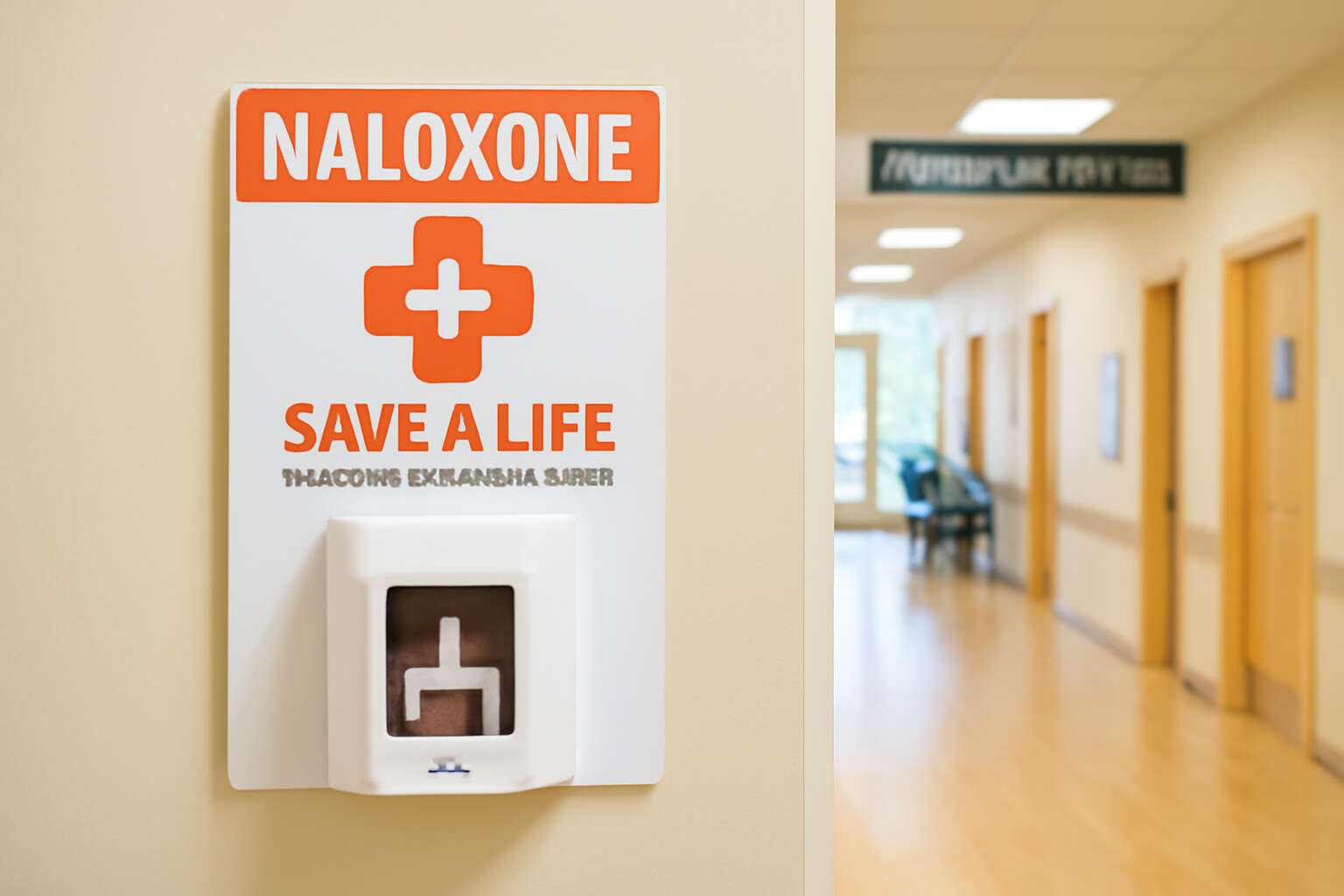
Naloxone Dispenser Placement Strategy
Public spaces and high-traffic environments
In the city of momentum, lives hinge on a slip of time; a discreet naloxone touchpoint can turn fear into response. The question ‘where should naloxone dispensers be placed’ guides the approach in South Africa’s public spaces and high-traffic environments, emphasizing humane immediacy and quiet dignity that invites action rather than hesitation.
Public environments demand a balance of visibility and respect. The architecture of access matters because a swift rescue is an intimate moment—no stigma, just clear purpose.
- eye-level positioning that is visible without crowding
- clear, multilingual signage with simple instructions
- minimal barriers to reach, with secure storage
In South Africa’s diverse spaces, the discourse around naloxone is as much about trust as supply; every visible dispenser is a statement of care for neighbors and strangers alike.
Accessibility and visibility factors
In South Africa’s urban heartbeat, a single moment can tilt from panic to rescue, and the right dispenser placement makes that hinge swing in favor of life. I’ve learned that good design does not shout; it invites help with quiet authority and grace.
Where should naloxone dispensers be placed? The answer is a marriage of accessibility and reverence: near welcoming thresholds, wrapped in light, labeled in common tongues, and kept within easy reach yet protected from harm.
- Strategic presence at entrances and waiting areas, aligning with natural sightlines.
- Durable, weatherproof cabinets with clear, inclusive signage.
- Unobstructed access that respects personal space while remaining conspicuous.
- Ongoing stewardship through periodic checks of placement, signage, and stock visibility.
Trust grows where space feels generous and care feels inevitable, a soft bell of mercy in the city’s clamor.
Regulatory compliance and policy alignment
In regulatory terms, where should naloxone dispensers be placed is answered by policy alignment, patient dignity, and operational clarity. Facilities must harmonize with national health policy, the Medicines Act, and DoH guidelines while conducting place-based risk assessments. The aim is to position dispensers where they’re accessible without compromising safety, yet discreet enough to maintain privacy and dignity.
- Alignment with national health policy and legal frameworks governing medicines and dispensing.
- Clear, inclusive signage, accessibility, privacy considerations in placement.
- Ongoing stock management, audits, and periodic reviews of location efficacy and signage visibility.
With thoughtful governance, placement becomes a quiet, compliant act that supports frontline responders and first aiders alike, ensuring preparedness meets policy and people’s expectations.
Public health impact and community engagement
In South Africa’s towns and rural valleys, a single naloxone dispenser can be a quiet lifeline. The question where should naloxone dispensers be placed sits at the heart of public health and human dignity. In my experience visiting clinics from Limpopo to the Western Cape, visibility paired with privacy invites people to seek help and reassurance.
Public health impact and community engagement flow from placement that welcomes trust and dialogue.
- Builds trust between frontline teams and residents
- Encourages open dialogue in schools, churches, and community halls
- Empowers local volunteers and first responders to act with confidence
When communities see these dispensers as part of everyday life, preparedness becomes shared rather than punitive. The guiding question, where should naloxone dispensers be placed, anchors care in action rather than jargon.



0 Comments