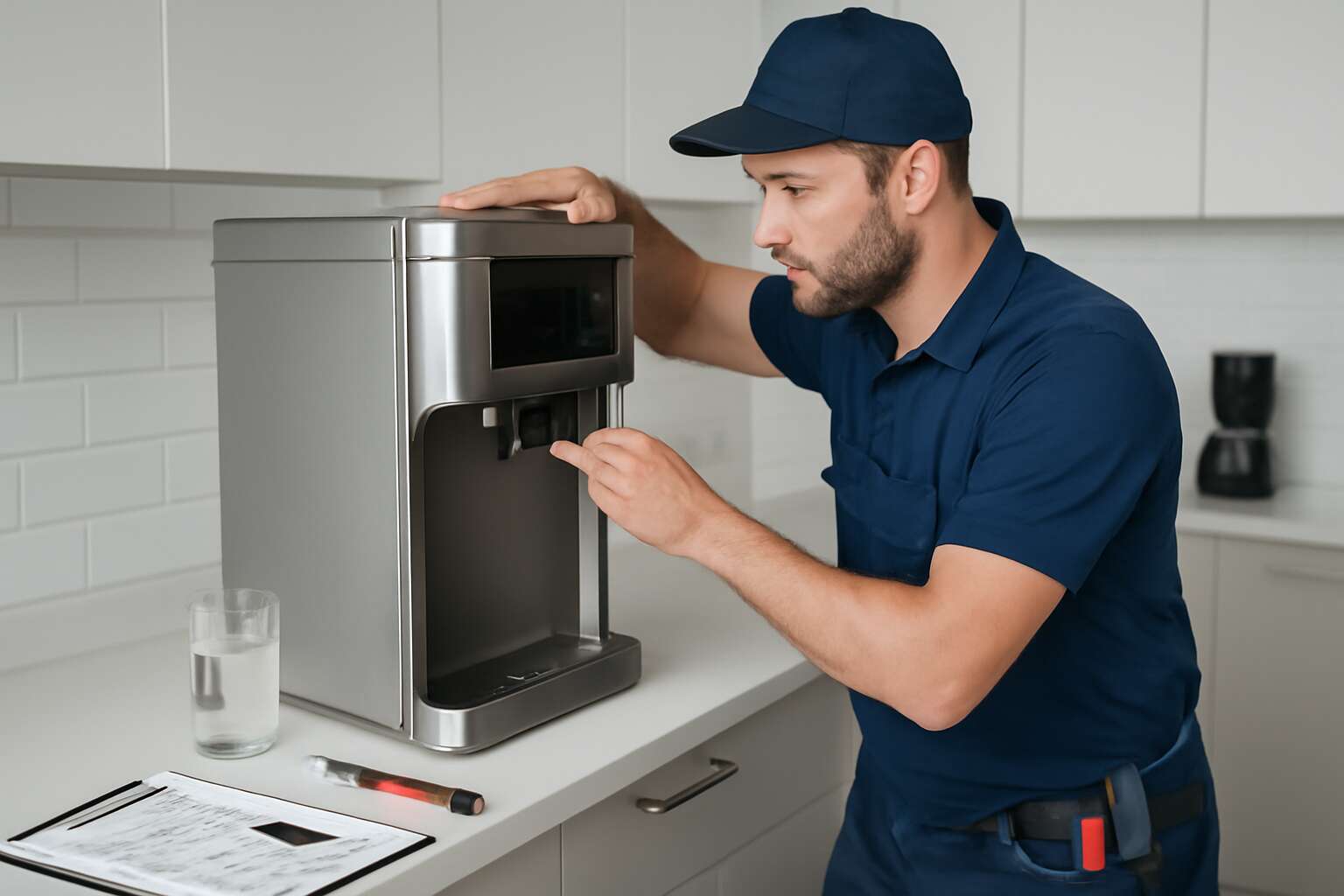
Maintenance frequency guidance for water dispensers
Importance of Regular Water Dispenser Maintenance
“Clean water is a daily right.” That belief guides every service professional who keeps dispensers pristine and safe in South Africa. In busy offices and hospitals, how often should water dispensers be serviced isn’t a fixed number; it shifts with usage, water hardness, and the environment. Regular maintenance protects taste, safety, and uptime, turning a simple tap into a reliable lifeline for teams. The cadence should be thoughtful, not reactive, especially where high traffic and warm climates stress equipment.
Three guiding forces shape the cadence for SA facilities:
- Usage patterns and water hardness influence service needs
- Environment, location, and exposure to heat affect timing
- Professional maintenance at regular intervals lowers risk of contamination and equipment wear
With these factors in mind, facilities balance routine checks against annual or semi-annual professional visits, tailoring the schedule to local conditions while keeping the simple pleasure of fresh water intact for your team.
Service frequency by dispenser type
Water dispensers in SA offices are the quiet engine of productivity—until they cough. The question becomes: how often should water dispensers be serviced? The cadence isn’t fixed; it shifts with usage, water hardness, and the climate.
By dispenser type, a practical cadence looks like this:
- Countertop/compact units: quarterly checks, with annual sanitisation.
- Freestanding bottleless systems: every 4–6 months.
- High-traffic/hospital-grade units: biannual visits or more in heat.
Tailoring the schedule to local conditions keeps taste, safety, and uptime thriving, turning a simple tap into an effortless daily luxury.
What happens during a professional service visit
In South Africa’s offices, the quiet hum of a well-kept water dispenser is a hidden productivity ally. “Reliability is invisible until it fails,” one facilities manager quipped, and the sentiment sticks as a reminder that a service visit is more than maintenance—it’s a safeguard against disruption.
When a professional arrives, it’s less about cosmetics and more about the backbone: seal integrity, hose cleanliness, reservoir lids, and the electrical safety of the unit. The question—how often should water dispensers be serviced?—isn’t fixed; it shifts with usage, water hardness, and climate in SA.
- Inspection for leaks, seals, and fittings
- Sanitisation of lines and reservoirs
- Water quality checks and temperature calibration
- Filter and component replacements as needed
During a typical visit, technicians scrub the accessible surfaces, flush lines, and run tests to confirm taste, safety, and uptime. The outcome is a dispenser that remains as dependable as gravity, even as SA summers press on and water hardness shifts the balance.
DIY maintenance vs professional servicing
“Reliability is invisible until it fails,” a facilities manager once said, and that line lingers when weighing maintenance cadence. how often should water dispensers be serviced? The pattern isn’t fixed; it bends with usage, water hardness, and climate in SA. DIY maintenance offers a light-touch rhythm—visual checks for leaks, lid seals, and surface cleanliness—while professional servicing goes deeper, weaving the dispenser’s backbone back to life.
- DIY maintenance keeps basics in check and fits the office rhythm
- Professional servicing addresses sanitation, calibration, and system integrity
Many South African offices settle on an annual professional service, with additional internal checks during peak heat or mineral-heavy periods. This balanced cadence preserves uptime and sustains the quiet hum that powers a productive day.



0 Comments